

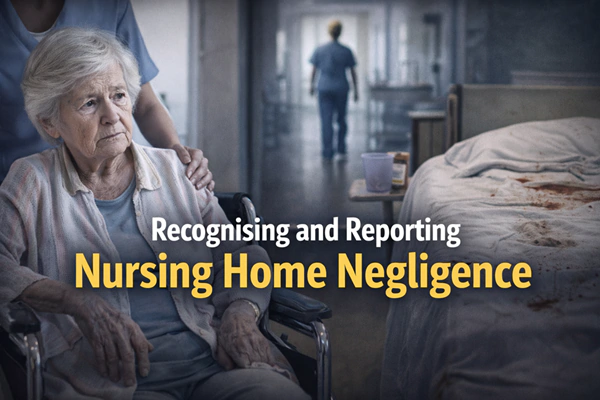
Placing a loved one in a nursing home takes trust. Families expect that staff will provide safety, compassion and respect every day. Sadly, cases of neglect still occur across the UK, including in Newark-on-Trent. When the care promised is not delivered, residents can suffer serious harm or distress that could have been avoided.
Knowing how to recognise the warning signs and take action is the best way to protect vulnerable relatives and ensure those responsible are held accountable.
What is nursing home negligence?
Nursing home negligence happens when a care provider fails to meet the standard of care expected from a professional. This might mean ignoring a resident’s medical needs, not keeping them clean or safe, or failing to provide enough food or hydration.
Negligence is not the same as an occasional mistake. It usually involves repeated carelessness, poor training or a lack of supervision that puts residents at risk.
Examples include:
- Ignoring calls for help or leaving residents unattended
- Missing medication doses or giving the wrong drugs
- Allowing dehydration or malnutrition to develop
- Failing to turn bedridden residents, leading to pressure sores
- Not cleaning rooms, bathrooms or bedding properly
- Using unnecessary restraint or shouting at residents
Even when staff are busy or under pressure, the home still has a legal duty to provide proper care.
Signs your loved one might be neglected
Neglect is not always obvious. Some residents cannot express themselves clearly, so changes in behaviour or appearance often tell the story.
Physical signs:
- Bruises, sores or other unexplained injuries
- Weight loss or dehydration
- Dirty clothing or unwashed hair
- Frequent infections or bedsores
Emotional signs:
- Fear of certain staff members
- Withdrawal or agitation
- Sudden mood changes
- Refusal to eat or take medication
Trust your instincts. If something feels off, there is usually a reason.
The legal duty in care homes
Care homes in England are regulated by the Care Quality Commission (CQC) under the Health and Social Care Act 2008. They must provide safe, person-centred care and protect residents from harm.
Homes must:
- Employ trained and qualified staff
- Maintain safe premises and equipment
- Manage medication properly
- Respect residents’ privacy and dignity
If they fail to meet these obligations and someone is harmed as a result, it may be classed as negligence.
What to do if you suspect neglect
If you think a loved one is being neglected, act quickly. Early intervention can prevent further harm.
- Document your concerns. Keep notes of dates, times and what you observe. Take photographs if there are visible injuries or poor conditions.
- Speak to the manager. Raise your concerns formally and ask for a written response.
- Contact the CQC. If the issue is not resolved, you can report the home directly to the Care Quality Commission.
- Inform social services. Adult safeguarding teams can step in to investigate and protect vulnerable residents.
- Seek legal advice. A solicitor can assess the evidence and explain your options for making a claim.
You do not need to wait until the problem becomes severe. Reporting early can stop the situation from getting worse.
Making a claim for negligence
If a resident is harmed through neglect, you may be able to claim compensation to cover pain, suffering, medical expenses and other losses. Compensation also helps ensure care standards improve for others.
A solicitor will collect evidence such as:
- Medical reports and expert opinions
- Care records and staff notes
- Photographs and witness statements
They will then contact the home or its insurer to negotiate a settlement. Most cases are resolved without going to court. The amount you receive depends on the seriousness of the injury and its lasting effects.
Common care home negligence cases
Typical examples include:
- Pressure sores from lack of movement or poor bedding
- Falls due to unsafe flooring or lack of supervision
- Malnutrition or dehydration caused by inadequate monitoring
- Medication mistakes or missed prescriptions
- Emotional or verbal abuse by staff
All of these can have devastating consequences, particularly for elderly or disabled residents.
Claiming on someone’s behalf
If your loved one is unable to make a claim themselves, you can do it for them as a “litigation friend.” This is common when the resident has dementia or reduced capacity.
If your loved one has passed away due to neglect, you may still be able to bring a claim for wrongful death or emotional suffering. A solicitor will guide you through the process sensitively and clearly.
How long do you have to make a claim?
You usually have three years from the date of the incident, or from the moment you realised negligence occurred. If the resident lacks mental capacity, there is no time limit until capacity is regained.
The sooner you seek legal help, the easier it is to gather evidence and protect your family’s rights.
Preventing neglect in the future
Families can help reduce risks by staying involved and observant. Visit regularly, talk to your loved one about their care, and check CQC inspection reports for any issues. Ask questions about medication, nutrition and staff training whenever you visit.
Vigilance and open communication are often the best safeguards.
How Marley Solicitors can help
At Marley Solicitors, we understand how upsetting it is to suspect that a loved one has been neglected. Our Newark-on-Trent team specialises in care home negligence claims and will handle your case with care and professionalism.
We work on a no win, no fee basis, meaning you do not pay anything unless your claim succeeds. Our aim is to make the process straightforward and to secure the compensation and accountability your family deserves.
Speak to our Newark-on-Trent team today
If you are worried about the care your loved one has received, do not ignore the signs. Neglect can worsen quickly if left unchecked. Marley Solicitors can help you take the right steps, protect your family member and ensure their voice is heard.
Reach out to our Newark-on-Trent office today for a free, confidential conversation and start moving toward justice and peace of mind.